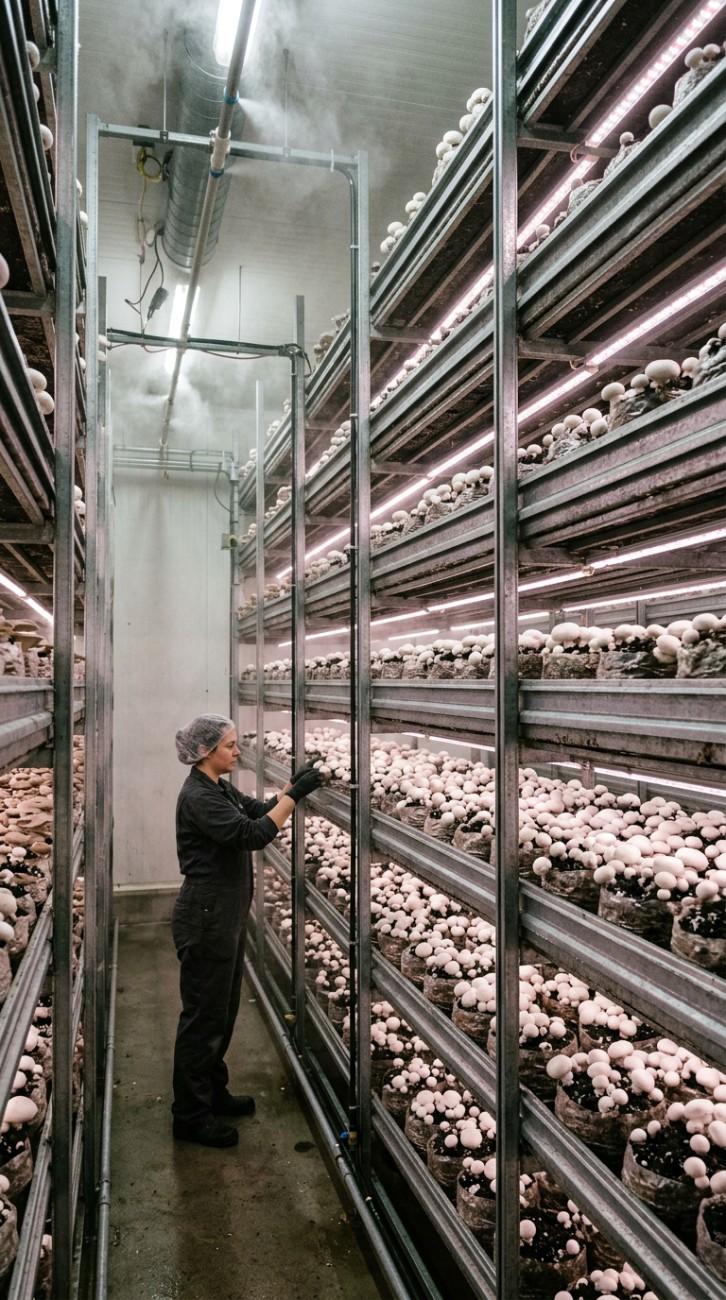
Hydroponic gardening has exploded in popularity in recent years. People everywhere are growing lettuce, tomatoes, and herbs indoors using water-based systems. But many curious growers eventually ask an interesting question:
Can mushrooms be grown hydroponically?
After all, mushrooms are one of the most fascinating foods you can grow at home. They grow fast, require little space, and can produce multiple harvests. But unlike most hydroponic crops, mushrooms aren’t plants—they’re fungi. That means they grow in a completely different way.
Still, many modern indoor growers refer to soil-free mushroom cultivation as “hydroponic mushrooms.” While mushrooms aren’t grown in nutrient water like lettuce or basil, they can absolutely be grown without soil in controlled indoor environments using moisture-rich substrates and hydroponic-style environmental control.
In this guide, you’ll learn:
What hydroponic mushrooms actually are
Whether mushrooms truly grow in hydroponic systems
The best mushroom species to grow indoors
The equipment you need to start
A step-by-step beginner method for growing mushrooms
Common mistakes and expert tips for better harvests
Whether you’re a home gardener, hydroponics enthusiast, or someone curious about sustainable food production, this guide will help you understand everything about growing mushrooms without soil.
What Are Hydroponic Mushrooms?
When people talk about hydroponic mushrooms, they usually mean mushrooms grown indoors without soil in a carefully controlled environment.
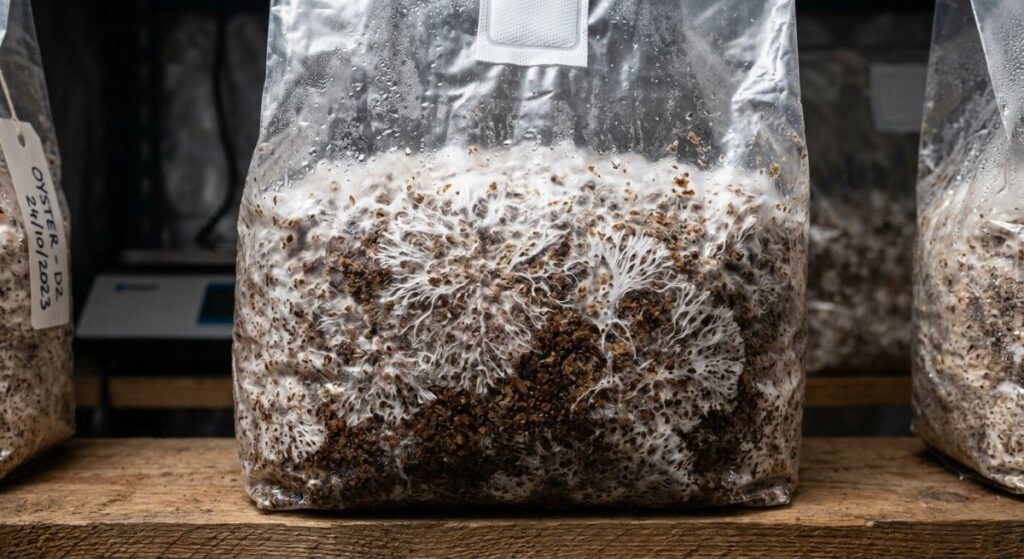
Instead of growing in dirt like vegetables, mushrooms grow from a network of fungal cells called mycelium. This mycelium feeds on organic material and eventually produces the mushrooms we harvest and eat.
Key Characteristics of Hydroponic Mushroom Growing
Controlled Moisture Environment
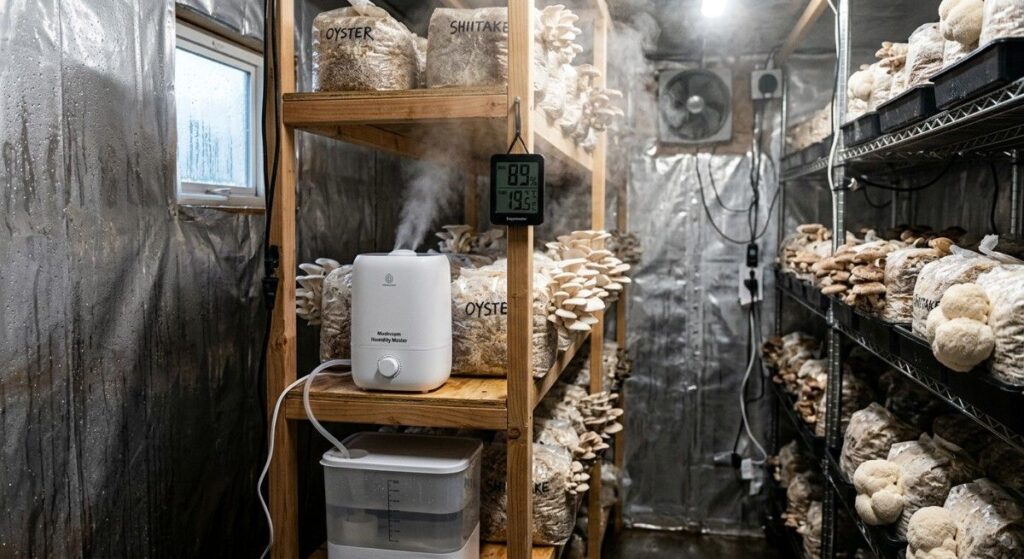
Mushrooms thrive in environments with very high humidity. In hydroponic-style mushroom setups, growers carefully control moisture levels so the mushrooms never dry out.
This often involves using humidifiers, misting systems, or enclosed grow chambers. These tools help keep humidity levels between 80% and 95%, which is the sweet spot for most mushroom species.
By maintaining this consistent moisture level, growers can recreate the natural forest conditions where mushrooms normally grow.
Nutrient-Rich Substrates
Unlike hydroponic plants that absorb nutrients through water, mushrooms feed on organic materials called substrates.
These substrates act like food for the mycelium. As the mycelium grows, it breaks down the substrate and uses those nutrients to produce mushrooms.
Common substrates include:
Straw – Straw is widely used because it’s inexpensive, easy to find, and provides a good structure for mycelium to grow through. Many oyster mushroom growers rely on straw for consistent results.
Hardwood sawdust – Sawdust from hardwood trees is rich in nutrients that many mushroom species love, especially shiitake and lion’s mane mushrooms.
Coffee grounds – Used coffee grounds are surprisingly great for mushroom cultivation. They’re already partially sterilized from brewing and contain nutrients fungi enjoy.
Coco coir – Coco coir comes from coconut husks and helps retain moisture while supporting healthy fungal growth.
Agricultural waste – Some growers use corn cobs, cotton waste, or other organic byproducts to grow mushrooms sustainably.
Each substrate provides slightly different nutrients, which can influence mushroom size, yield, and flavor.
Indoor Controlled Environment
One of the biggest advantages of hydroponic-style mushroom growing is that it typically happens indoors.
Indoor growing environments allow you to control:
temperature
humidity
airflow
light exposure
By controlling these factors, growers can produce mushrooms year-round, regardless of outdoor weather conditions.
Can Mushrooms Actually Be Grown Hydroponically?
This is where things get interesting.
Technically speaking, mushrooms are not grown in traditional hydroponic nutrient solutions the way plants are. Mushrooms do not have roots and do not absorb dissolved nutrients from water.
Instead, mushrooms grow on substrates that contain organic nutrients.
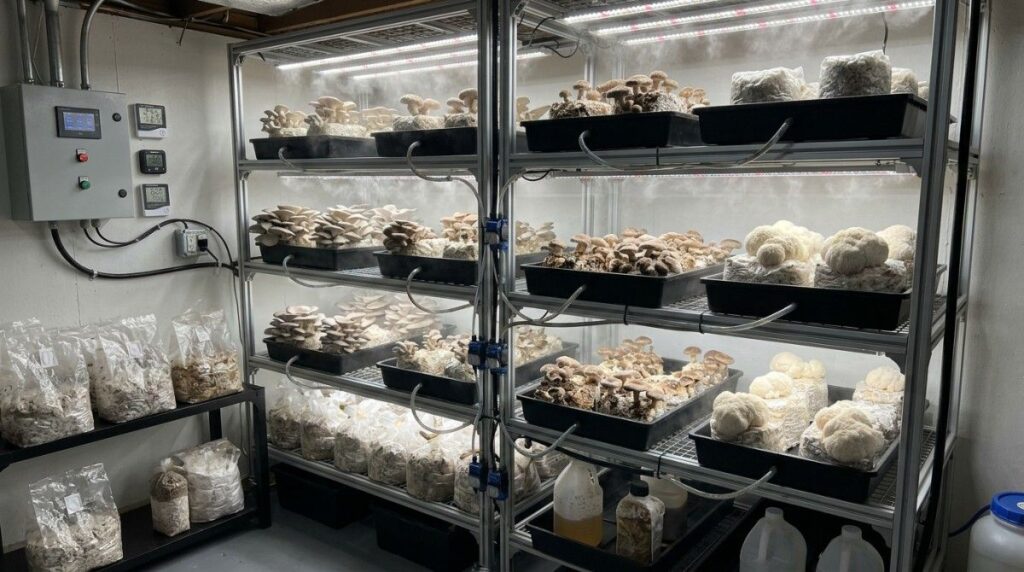
However, modern mushroom farms often use hydroponic-style technology, such as:
automated humidity control
climate-controlled grow rooms
misting systems
vertical growing racks
Because of these similarities, many people casually refer to the process as hydroponic mushroom farming, even though the biology is different.
Think of it as soil-free indoor mushroom cultivation inspired by hydroponic principles.
Benefits of Growing Hydroponic Mushrooms
There are many reasons indoor growers are excited about hydroponic-style mushroom farming.
Faster Growth Cycles
One of the most exciting things about mushrooms is how quickly they grow. Many species can go from spawn to harvest in just a few weeks.
For example, oyster mushrooms can often be harvested within 3–5 weeks, making them one of the fastest indoor crops you can grow.
This rapid growth allows growers to produce multiple harvest cycles throughout the year.
High Yield in Small Spaces
Mushrooms are incredibly space efficient.
Instead of spreading out horizontally like traditional crops, mushrooms can be grown vertically on shelves or racks. This means a small indoor room can produce a surprising amount of food.
Many commercial mushroom farms use stacked growing systems to maximize production per square foot.
Year-Round Production
Because hydroponic mushrooms are grown indoors, they are not affected by outdoor weather.
This means growers can:
harvest mushrooms during winter
avoid seasonal crop limitations
maintain consistent production year-round
This reliability is especially valuable for people selling mushrooms to restaurants or markets.
Reduced Pest Problems
Growing mushrooms indoors dramatically reduces exposure to pests.
Outdoor gardens often struggle with insects, slugs, and plant diseases. But indoor mushroom farms experience far fewer of these problems.
Controlled environments also make it easier to maintain clean growing conditions.
Environmentally Friendly Growing
Mushroom cultivation is surprisingly sustainable.
Many growers use recycled organic materials like straw, wood chips, or coffee grounds that would otherwise go to waste.
After mushroom production, the used substrate can even be composted and returned to the soil.
Best Mushrooms to Grow in Hydroponic-Style Systems
Not all mushrooms are equally easy to grow indoors. Some species are much more beginner-friendly.
Oyster Mushrooms
Oyster mushrooms are widely considered the best mushroom for beginners.
They grow quickly, adapt well to many substrates, and are very forgiving if conditions aren’t perfect.
Popular varieties include:
Blue oyster mushrooms
Pink oyster mushrooms
Pearl oyster mushrooms
Golden oyster mushrooms
These mushrooms also produce large clusters, making harvests very satisfying.
Shiitake Mushrooms
Shiitake mushrooms are famous for their rich flavor and nutritional value.
They typically grow on hardwood sawdust or logs and take a little longer than oyster mushrooms to mature. However, many growers consider the wait worthwhile because shiitake mushrooms are highly valued in cooking.
Lion’s Mane Mushrooms
Lion’s mane mushrooms are gaining popularity for their unique appearance and potential health benefits.
They have a soft, seafood-like texture and are often used as a vegetarian substitute for crab or lobster in recipes.
These mushrooms thrive in humid indoor environments.
Enoki Mushrooms
Enoki mushrooms are the long, thin mushrooms often used in Asian cuisine.
They require cooler growing conditions but can thrive in controlled indoor environments.
Essential Equipment for Growing Hydroponic Mushrooms
To grow mushrooms successfully indoors, you’ll need a few basic tools and pieces of equipment.
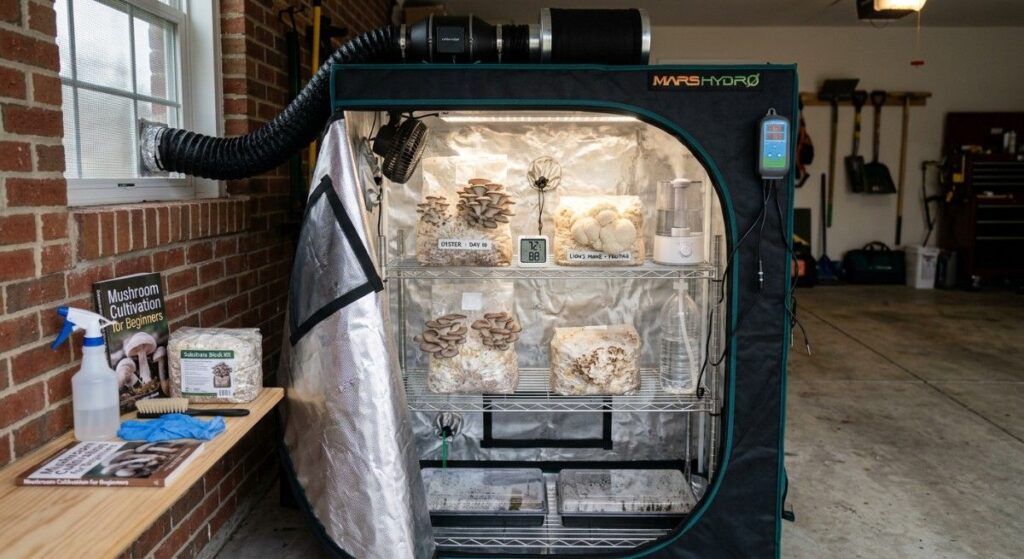
Grow Tent or Grow Chamber
A grow tent acts like a miniature indoor farm.
It helps trap humidity, maintain stable temperatures, and protect mushrooms from contamination. Many home growers use grow tents because they’re affordable and easy to set up.
Humidifier or Misting System
Mushrooms need very high humidity to grow properly.
A humidifier or automated misting system helps maintain moisture levels. Without sufficient humidity, mushrooms may dry out before they fully develop.
Air Circulation
While mushrooms love humidity, they also need fresh air.
A small fan can help circulate air and remove excess carbon dioxide produced by growing mushrooms. Good airflow also reduces the risk of mold.
Mushroom Substrate
The substrate acts as the food source for mushroom growth.
Choosing the right substrate for your mushroom species can significantly affect yield and growth speed.
Step-by-Step Guide to Growing Hydroponic Mushrooms
If you’re ready to try growing mushrooms yourself, this beginner-friendly process can get you started.
Step 1: Choose an Easy Mushroom Variety
Beginners should start with oyster mushrooms because they grow quickly and tolerate minor mistakes.
Starting with an easy species helps you learn the basics of mushroom cultivation before trying more challenging varieties.
Step 2: Prepare the Substrate
Before mushrooms can grow, the substrate must be cleaned to remove harmful bacteria or competing fungi.
This is usually done by pasteurizing or sterilizing the material with heat.
For example, straw can be soaked in hot water, while sawdust substrates are often sterilized with steam.
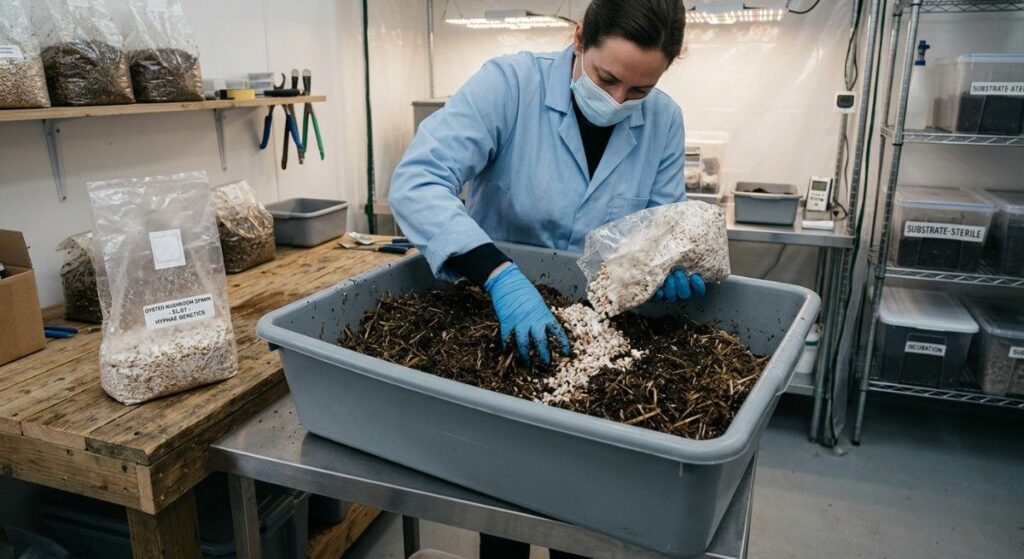
Step 3: Add Mushroom Spawn
Mushroom spawn is essentially the starter culture containing live mycelium.
Mixing spawn into the substrate allows the mycelium to spread and colonize the entire material.
Step 4: Incubation Phase
During incubation, the mycelium spreads through the substrate and begins digesting nutrients.
This stage typically requires:
warm temperatures
minimal light
little air movement
Within about two weeks, the substrate should be fully colonized with white mycelium.
Step 5: Trigger Fruiting Conditions
Once the substrate is colonized, it’s time to encourage mushrooms to grow.
This is done by introducing:
fresh air
higher humidity
indirect light
These environmental changes signal to the mycelium that it’s time to produce mushrooms.
Step 6: Maintain Humidity
During fruiting, humidity must remain very high.
Many growers mist their mushrooms daily or use automated humidifiers to maintain consistent moisture.
Step 7: Harvest the Mushrooms
Mushrooms are typically ready to harvest just a few days after they begin forming.
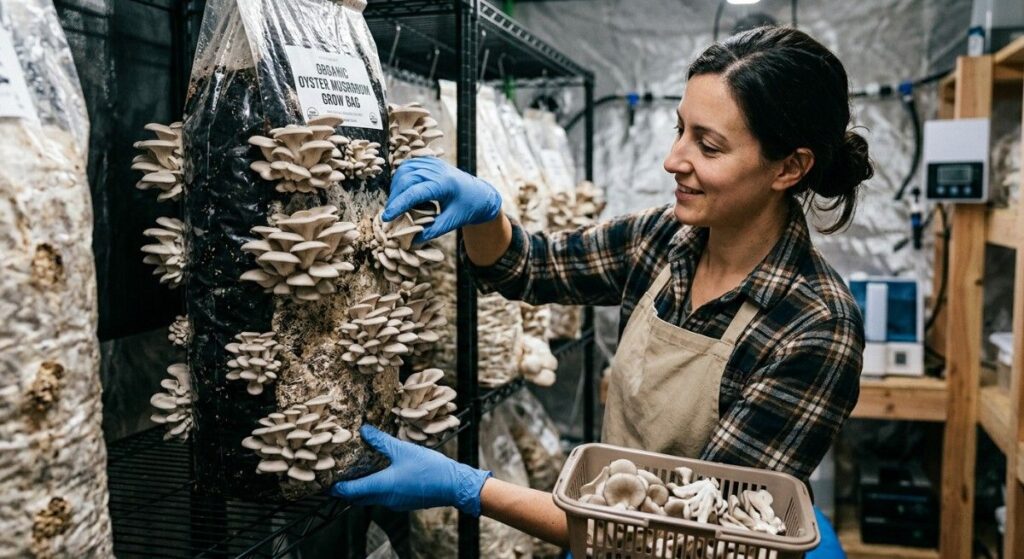
To harvest, gently twist the mushroom at its base rather than pulling it. This helps protect the remaining mycelium so it can produce additional flushes of mushrooms.
Common Problems When Growing Mushrooms
Even experienced growers occasionally run into challenges.
Contamination
Contamination occurs when unwanted molds or bacteria invade the growing substrate.
This can happen if tools, containers, or substrates are not properly sterilized.
Keeping a clean growing environment is one of the most important habits for successful mushroom cultivation.
Low Humidity
If the air becomes too dry, mushrooms may stop growing or develop cracked caps.
Maintaining high humidity is essential during the fruiting stage.
Poor Air Exchange
Without enough fresh air, mushrooms may grow with long stems and tiny caps.
This happens because excess carbon dioxide builds up around the mushrooms.
Regular airflow prevents this problem.
Expert Tips for Better Mushroom Harvests
If you want to improve your mushroom yields, these tips can make a big difference.
Start With High-Quality Spawn
Good spawn leads to faster colonization and stronger mushroom growth.
Low-quality spawn may lead to weak mycelium or contamination.
Keep Conditions Stable
Mushrooms prefer stable environments.
Sudden changes in temperature or humidity can stress the mycelium and reduce production.
Harvest at the Right Moment
Harvesting mushrooms just before their caps fully flatten ensures the best flavor and texture.
Waiting too long can reduce quality.
Is Hydroponic Mushroom Farming Profitable?
Indoor mushroom farming is becoming an increasingly popular business opportunity.
Specialty mushrooms often sell for high prices at:
farmers markets
grocery stores
restaurants
health food shops
Because mushrooms grow quickly and require relatively little space, small farms can produce significant harvests in compact indoor environments.
With the right system and consistent production, mushroom farming can become a profitable side business or full-time venture.
Conclusion
Growing hydroponic mushrooms is an exciting way to produce fresh food indoors without soil. While mushrooms grow differently than hydroponic plants, they still benefit from many of the same controlled growing techniques.
By combining nutrient-rich substrates, high humidity, fresh air, and stable temperatures, growers can cultivate mushrooms efficiently all year long.
For beginners, starting with oyster mushrooms in a simple indoor setup is one of the easiest ways to learn the process.
With a little practice, patience, and the right environment, you can enjoy fresh, homegrown mushrooms whenever you want.
And who knows—your small mushroom project might even grow into a thriving indoor farm someday.
FAQs
What substrate is best for growing mushrooms?
The best substrate depends on the mushroom species being grown. Common options include:
Straw, which is affordable and works especially well for oyster mushrooms.
Hardwood sawdust, which provides excellent nutrients for species like shiitake and lion’s mane.
Coffee grounds, which are nutrient-rich and often used by small indoor growers.
Coco coir, which helps retain moisture and supports healthy mycelium growth.
Choosing the right substrate can significantly influence mushroom yield and growth speed.
Do mushrooms need light to grow?
Unlike plants, mushrooms do not rely on sunlight for energy. However, they still benefit from low levels of indirect light during the fruiting stage. Light helps signal to the mycelium that it is time to produce mushrooms. Most indoor growers simply use natural room light or low-intensity LED lighting.
What humidity level do mushrooms need?
Mushrooms require very high humidity levels, typically between 80% and 95% relative humidity. This high moisture environment prevents mushrooms from drying out and helps them develop properly. Many growers use humidifiers or misting systems to maintain consistent humidity levels in their grow space.
Can mushrooms be grown indoors year-round?
Yes, mushrooms are one of the best crops for year-round indoor production. Because they are grown in controlled environments, growers can maintain the ideal temperature, humidity, and airflow regardless of outdoor weather. This allows continuous mushroom production throughout the year.
Is growing mushrooms at home profitable?
Growing mushrooms at home can become profitable, especially if you focus on gourmet varieties like oyster, shiitake, or lion’s mane mushrooms. These mushrooms are popular at farmers markets, restaurants, and health food stores. With efficient indoor systems and consistent production, even small growers can produce valuable harvests.
What are the most common problems when growing mushrooms?
Some of the most common challenges in mushroom cultivation include contamination, low humidity, and poor airflow. Contamination from mold or bacteria can occur if the substrate or equipment is not properly sterilized. Low humidity can cause mushrooms to dry out, while poor airflow can lead to abnormal growth. Maintaining clean conditions and stable environmental controls helps prevent these issues.