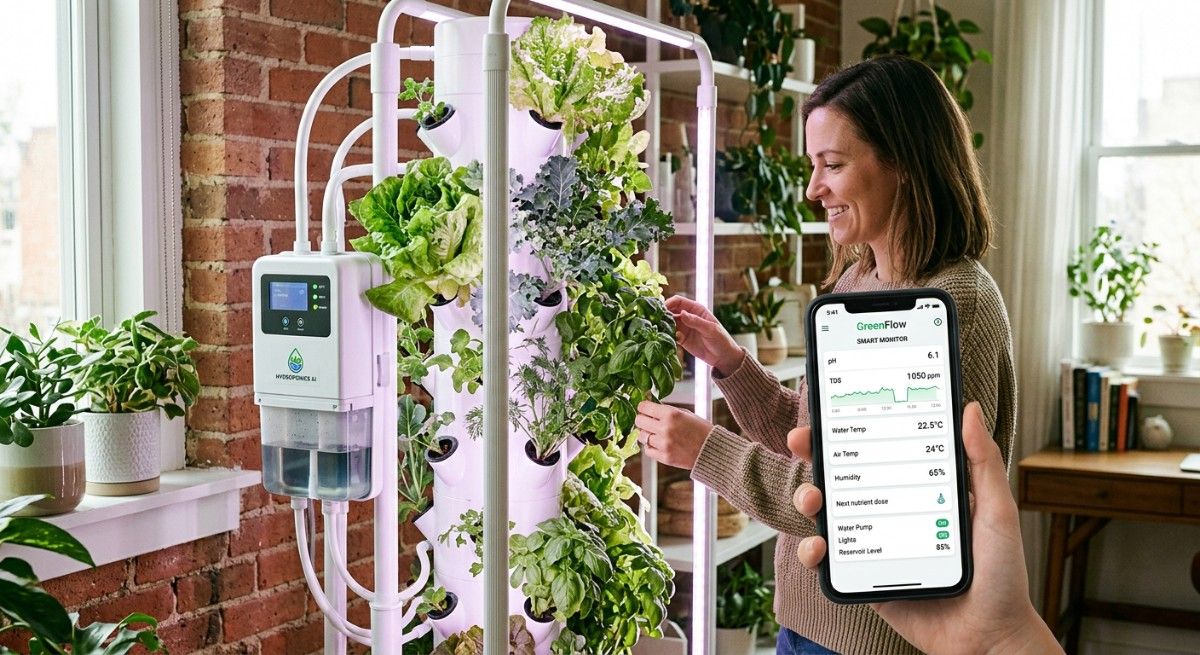
Hydroponic gardening is an exciting way to grow plants faster and more efficiently than traditional soil gardening. By delivering nutrients directly through water, plants can absorb exactly what they need to thrive. However, maintaining the perfect environment inside a hydroponic system isn’t always easy.
Growers constantly need to monitor pH levels, nutrient strength, water temperature, lighting schedules, and irrigation cycles. If any of these factors drift too far from their ideal range, plants can quickly become stressed or stop growing altogether.
This is exactly where a hydroponic controller comes in.
Think of a hydroponic controller as the brain of your hydroponic system. It monitors important variables and automatically makes adjustments so your plants stay in their ideal environment.
Instead of checking pH levels several times a day or manually switching lights on and off, a controller can automate those tasks for you. This means less guesswork, fewer mistakes, and much healthier plants.
In this guide, we’ll take a deep dive into everything you need to know about hydroponic controllers, including:
What a hydroponic controller is and how it works
Why automation is becoming essential in hydroponic gardening
The most important features to look for
How to choose the right controller for your setup
Practical tips for getting the best results
By the end of this article, you’ll understand why many growers consider a hydroponic controller to be one of the most valuable upgrades for a hydroponic system.
What Is a Hydroponic Controller?
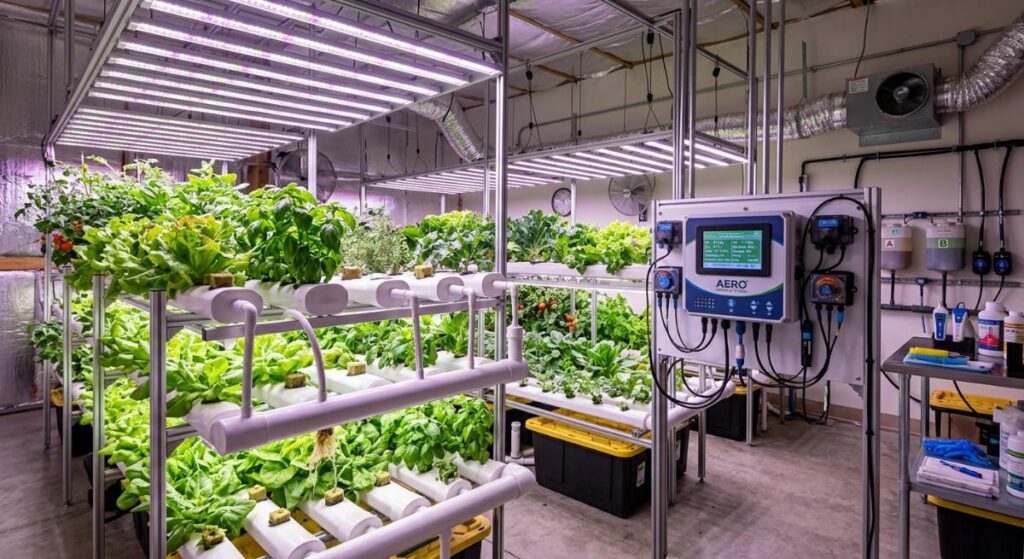
A hydroponic controller is an electronic device designed to automatically monitor and manage the key conditions inside a hydroponic growing system.
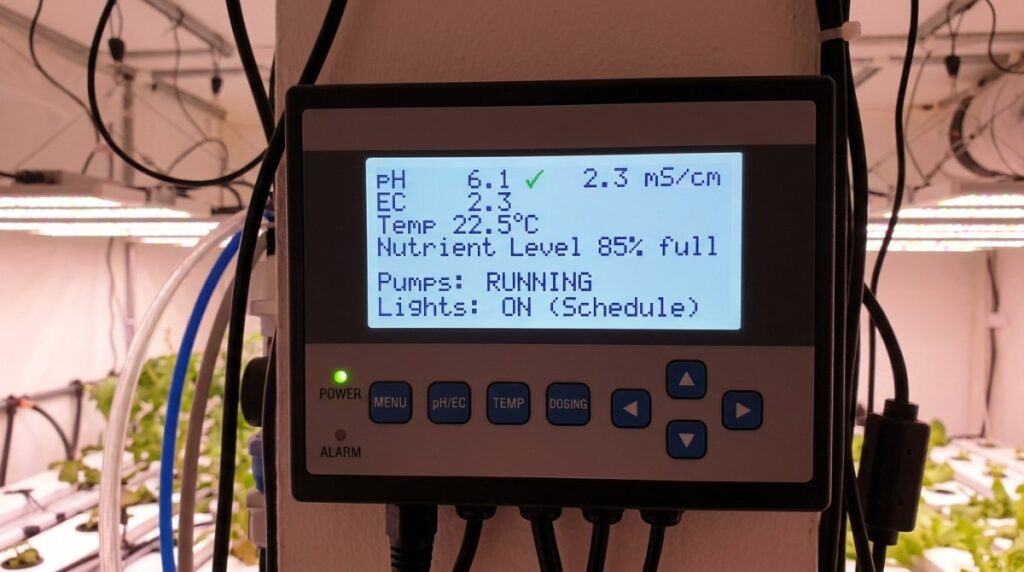
Instead of adjusting everything manually, the controller uses sensors to gather data and then triggers equipment like pumps, lights, and dosing systems to maintain the correct conditions.
In simple terms, the controller constantly asks:
“Is everything in the system where it should be?”
If the answer is no, the system automatically corrects the issue.
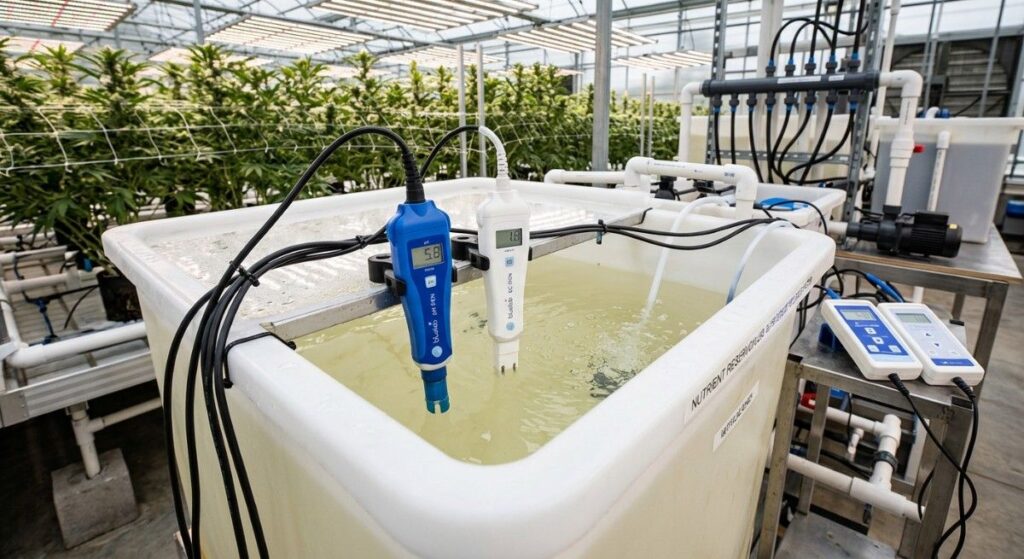
Key Functions of a Hydroponic Controller
A well-equipped hydroponic controller can regulate several important factors that influence plant growth.
pH Levels
pH determines how easily plants can absorb nutrients from the water. In most hydroponic systems, the ideal pH range is between 5.5 and 6.5.
If the pH drifts outside this range, plants may struggle to absorb nutrients even if those nutrients are present in the solution. A hydroponic controller can detect pH changes and automatically add pH-up or pH-down solutions to keep levels stable.
Nutrient Strength (EC or TDS)
Plants require the right concentration of nutrients in the water to grow properly. This concentration is usually measured using electrical conductivity (EC) or total dissolved solids (TDS).
A hydroponic controller monitors these levels continuously. If nutrient strength drops, the system can automatically add more nutrient solution to restore the correct balance.
Water Temperature
The temperature of the nutrient solution affects oxygen availability and root health. If the water becomes too warm, oxygen levels drop and harmful pathogens may develop.
Controllers can activate water chillers or heaters to keep the reservoir within the ideal temperature range.
Air Temperature
Air temperature affects plant metabolism and growth rate. A controller can regulate heaters, fans, or ventilation systems to ensure plants remain comfortable.
Humidity
Humidity influences how quickly plants lose water through transpiration. Too much humidity can encourage mold or mildew, while very low humidity can cause excessive water loss.
Hydroponic controllers can adjust humidifiers, dehumidifiers, or ventilation fans to maintain the right humidity level.
Lighting Schedules
Plants rely on light cycles to regulate their growth stages. For example, many plants require long daylight hours during the vegetative stage and shorter cycles during flowering.
A controller ensures that grow lights turn on and off automatically according to the programmed schedule.
Irrigation Timing
In certain hydroponic systems like drip or ebb-and-flow setups, plants need regular irrigation cycles. A hydroponic controller can automate these cycles to ensure plants receive water and nutrients exactly when needed.
Why Hydroponic Controllers Are So Valuable
Automation might sound like a luxury at first, but for hydroponic growers it quickly becomes a necessity.
Precision and Stability
Plants thrive when their environment remains stable. Frequent fluctuations in pH, nutrient concentration, or temperature can stress plants and slow their growth.
A hydroponic controller constantly monitors these variables and makes small adjustments before problems develop. This stability allows plants to grow in ideal conditions 24/7.
Reduced Manual Work
Without automation, growers must perform several routine tasks every day.
These tasks often include:
Testing nutrient solutions
Adjusting pH levels
Managing irrigation schedules
Switching lights on and off
A hydroponic controller takes over these repetitive jobs. Once programmed, the system can handle them automatically, freeing up time for growers to focus on plant care and system improvements.
Faster Plant Growth
When plants receive consistent nutrient levels, proper lighting cycles, and stable temperatures, they can focus all their energy on growth.
As a result, hydroponic plants often grow significantly faster than soil-grown plants, sometimes up to 30–50% faster under optimal conditions.
Increased Crop Yield
Consistency is one of the biggest factors influencing yield. Plants grown in a carefully controlled hydroponic environment often produce larger harvests and better-quality fruits or vegetables.
For commercial growers, the increased productivity alone can justify the cost of a hydroponic controller.
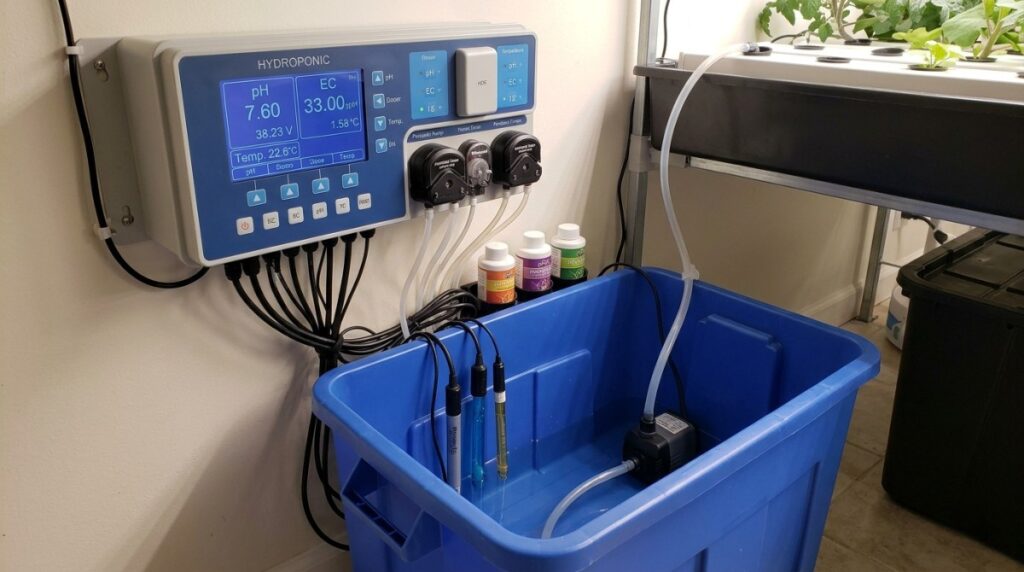
Main Components of a Hydroponic Controller System
Hydroponic controllers work by combining several important components.
Sensors
Sensors are responsible for collecting data from the hydroponic system. They continuously measure environmental conditions and send this information to the controller.
Common sensors include:
pH sensors, which measure acidity levels in the nutrient solution
EC sensors, which determine the concentration of nutrients in the water
Temperature sensors, which track both air and water temperatures
Humidity sensors, which monitor moisture levels in the air
Accurate sensor data is essential because the controller relies on these readings to make adjustments.
Control Unit
The control unit is the central processor of the system. It analyzes the data collected from sensors and decides when changes are needed.
For example, if the pH sensor detects a rise above the desired level, the controller may activate a dosing pump to add pH-lowering solution.
Dosing Pumps
Dosing pumps allow the controller to automatically add substances to the nutrient reservoir.
These pumps can deliver precise amounts of:
Nutrient concentrates
pH adjustment solutions
Mineral supplements
Because the pumps add liquids gradually and accurately, they help maintain a perfectly balanced nutrient solution.
Timers and Relays
Timers and relays allow the controller to manage electrical equipment connected to the hydroponic system.
This includes devices such as:
Grow lights
Irrigation pumps
Air pumps
Cooling fans
By controlling when these devices turn on and off, the system maintains a consistent growing environment.
Monitoring Interface
Most modern hydroponic controllers include a user interface that allows growers to monitor their system.
This interface might be:
A simple LCD screen on the controller
A computer dashboard
A smartphone app
Some advanced controllers even allow growers to receive alerts if something goes wrong.
Types of Hydroponic Controllers
Hydroponic controllers come in different levels of complexity depending on the size of the growing system.
Basic Timer Controllers
These are the simplest type of controllers and are commonly used in small home systems.
They mainly control equipment based on schedules, such as turning grow lights on and off or activating irrigation pumps at regular intervals.
Although basic, timer controllers still provide valuable automation and help maintain consistent routines.
Nutrient and pH Controllers
These controllers go a step further by monitoring nutrient strength and pH levels in the reservoir.
When the system detects changes, it automatically adjusts the nutrient solution using dosing pumps. This helps maintain the ideal chemical balance for plant growth.
Environmental Controllers
Environmental controllers manage conditions within the grow room itself.
They control factors like:
Temperature
Humidity
Ventilation
CO₂ levels
These systems are especially useful for indoor hydroponic gardens or greenhouse environments.
Smart Hydroponic Controllers
Smart controllers combine multiple automation functions into a single integrated system.
Many include:
WiFi connectivity
Mobile app control
Real-time data monitoring
Remote alerts
These systems are commonly used in large hydroponic farms where automation is critical for efficiency.
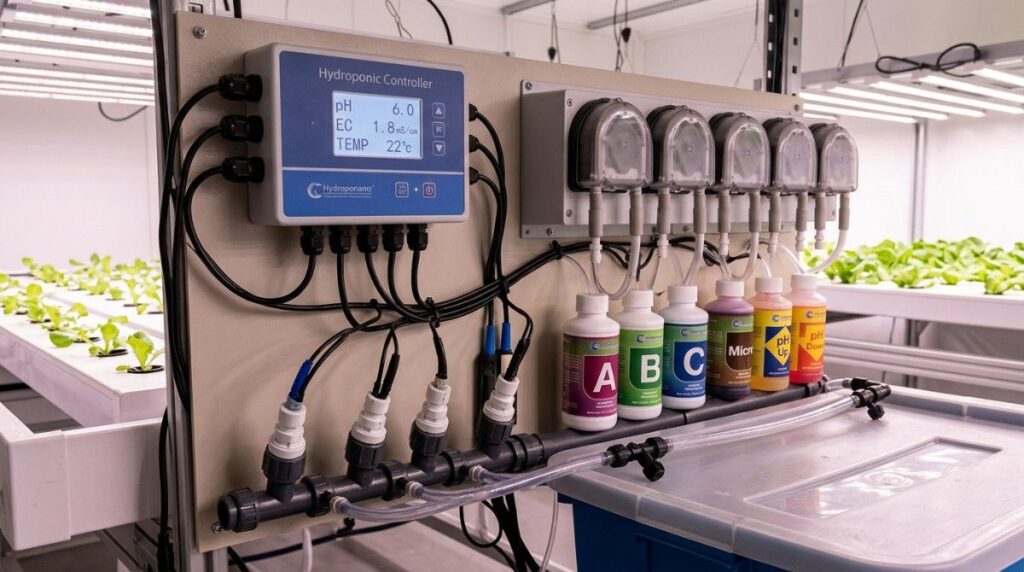
How to Choose the Right Hydroponic Controller
Selecting the right hydroponic controller depends on the size and complexity of your system.
Look for Multi-Parameter Monitoring
Controllers that can monitor multiple variables give you better control over your growing environment.
Ideally, your controller should track pH, nutrient concentration, temperature, and humidity at a minimum.
Choose Strong Automation Features
Automation is the primary reason for installing a controller. Look for features that can manage irrigation, lighting schedules, and nutrient dosing without constant manual intervention.
Consider Remote Monitoring
Remote monitoring allows you to check your hydroponic system from anywhere using a smartphone or computer.
This is extremely helpful for growers who cannot constantly stay near their grow room.
Check for Data Tracking
Controllers that log historical data help growers identify trends and improve their systems over time.
For example, you might notice that nutrient consumption increases during certain growth stages.
Setting Up a Hydroponic Controller
Installing a hydroponic controller is usually straightforward.
Install Sensors Correctly
Sensors should be placed where they can collect the most accurate readings. For example, pH and EC sensors must be positioned directly in the nutrient reservoir.
Connect Equipment
Next, connect pumps, lights, and other devices to the controller’s output ports.
These connections allow the controller to manage equipment automatically.
Configure Desired Settings
Once everything is connected, you can program the desired parameters such as pH range, nutrient concentration, lighting schedules, and irrigation frequency.
Calibrate Sensors
Calibration ensures that sensor readings are accurate. Most pH sensors should be calibrated every few weeks.
Helpful Tips for Using Hydroponic Controllers
To get the best results from your controller, keep these tips in mind.
Regularly Inspect Your Plants
Even though the system is automated, plants should still be checked regularly for signs of stress or nutrient deficiencies.
Clean Sensors Frequently
Mineral deposits can build up on sensors over time. Cleaning them ensures accurate readings.
Protect Against Power Failures
Installing a backup power supply can prevent system interruptions during outages.
Start Simple
If you’re new to automation, begin with a basic controller and gradually add advanced features as your system grows.
Conclusion
Hydroponic gardening already offers faster growth and efficient use of water and nutrients. But managing all the variables involved can quickly become overwhelming without the right tools.
A hydroponic controller simplifies everything by automating the most important aspects of the system.
By continuously monitoring environmental conditions and making adjustments when needed, controllers help create the stable environment that plants love. The result is healthier crops, higher yields, and far less daily maintenance.
Whether you’re growing herbs in a small home setup or managing a large indoor farm, investing in a hydroponic controller can dramatically improve your results.
As hydroponic technology continues to evolve, automation will play an even bigger role in modern agriculture.
And if you’re serious about hydroponics, a controller might just become the most valuable piece of equipment in your entire growing system.
FAQs
How much does a hydroponic controller cost?
The cost of a hydroponic controller depends on its features and automation level. Basic timer controllers used for lighting or irrigation can cost $30 to $100, while mid-range controllers with pH and EC monitoring typically range from $150 to $400. Advanced smart hydroponic controllers with full automation, remote monitoring, and climate control can cost $500 to over $1,000, especially for commercial hydroponic farms.
Can hydroponic systems run fully automatically?
Yes, modern hydroponic systems can run almost completely automatically with the help of advanced hydroponic controllers. These systems can manage nutrient dosing, pH adjustment, irrigation, lighting schedules, and climate control without constant human intervention. However, growers should still check their plants regularly to ensure everything is working properly.
Can beginners use hydroponic controllers?
Yes, many hydroponic controllers are designed with beginner-friendly interfaces and simple setup processes. Entry-level models often include preset programs for lighting and irrigation, making them easy for new growers to use.
Can I build a DIY hydroponic controller?
Yes, some hobbyists build DIY hydroponic controllers using platforms like Arduino or Raspberry Pi. While DIY systems can be cheaper and customizable, they require programming knowledge and may not be as reliable as commercial hydroponic controllers.