Hydroponic gardening has become incredibly popular because it allows people to grow plants faster, cleaner, and often with better yields than traditional soil gardening. But many growers—especially beginners—run into a frustrating situation.
Their plants start off strong, but after a while they notice problems like slow growth, yellowing leaves, or unhealthy roots. Even though the lighting is correct and nutrients are carefully measured, the plants still don’t thrive.
So what’s going wrong?
In many cases, the missing piece is oxygen.
Unlike soil-grown plants, hydroponic plants keep their roots directly in water. While water provides nutrients, it can also create a problem if the roots don’t receive enough oxygen. Without proper oxygen levels, roots struggle to breathe and absorb nutrients effectively.
This is exactly where air stones in hydroponics come in.
Air stones are simple but powerful tools that pump oxygen into the nutrient solution. They create thousands of tiny bubbles that keep the water oxygen-rich and constantly moving. This small piece of equipment can make a huge difference in plant health, growth speed, and yield.
In this friendly, beginner-focused guide, we’ll explore everything you need to know about air stones hydroponics—how they work, why they matter, how to set them up, and how to keep them running efficiently.
What Are Air Stones in Hydroponics?
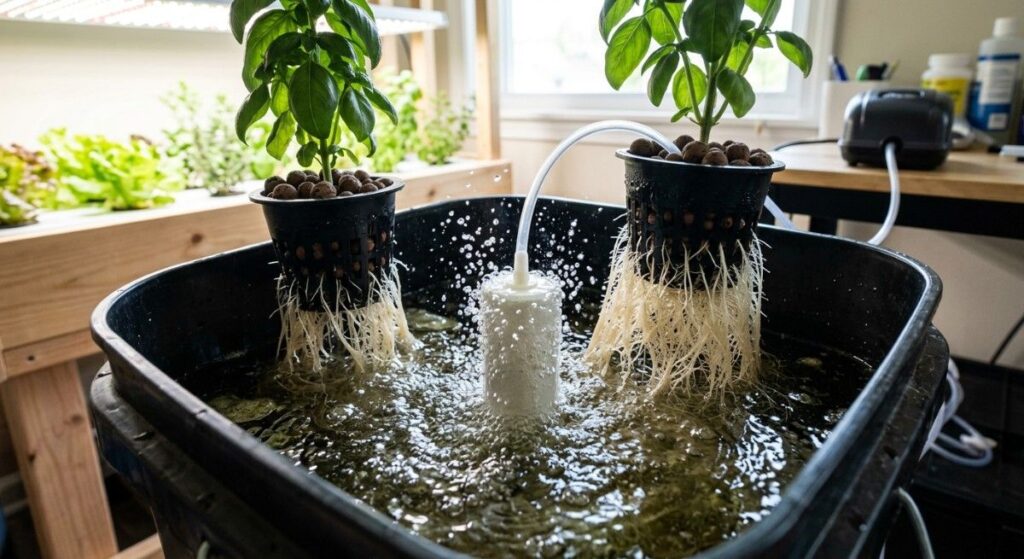
Air stones are small porous stones that connect to an air pump and release streams of tiny bubbles into water. They are commonly used in aquariums but are also extremely useful in hydroponic systems.
When air passes through the stone, the porous material breaks the airflow into many small bubbles instead of a few large ones. These bubbles travel upward through the nutrient solution, increasing the amount of oxygen dissolved in the water.
How Air Stones Work
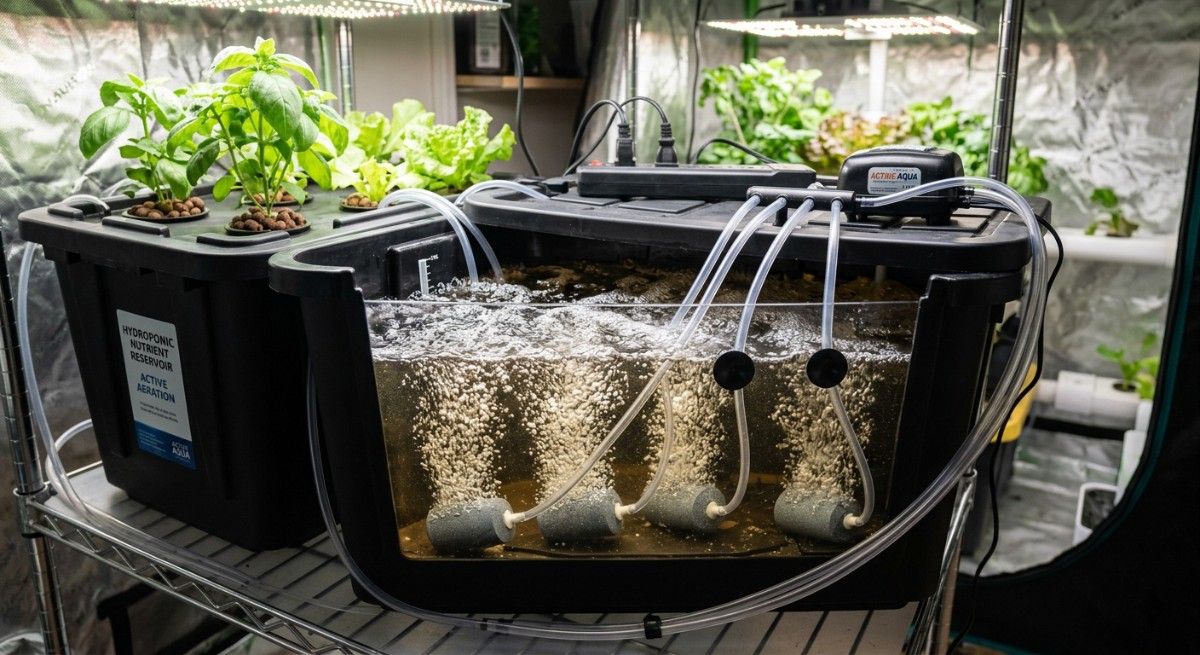
A hydroponic air stone works as part of a simple aeration system that usually includes three components.
Air Pump
The air pump is the device that generates airflow. It pulls in air from the surrounding environment and pushes it through a tube toward the air stone. A stronger pump produces more airflow, which results in better oxygenation inside the nutrient reservoir.
Airline Tubing
Airline tubing is a flexible plastic tube that connects the air pump to the air stone. It acts like a pathway for air to travel from the pump into the nutrient solution.
These tubes are inexpensive, easy to install, and can be cut to different lengths depending on the size of your hydroponic setup.
Air Stone Diffuser
The air stone itself is the diffuser. Its porous surface breaks the incoming air into thousands of tiny bubbles that slowly rise through the water.
Smaller bubbles are ideal because they remain in the water longer, giving oxygen more time to dissolve into the nutrient solution.
Why Oxygen Is So Important in Hydroponic Systems
Many new hydroponic growers focus heavily on nutrients and lighting, but oxygen is just as important for plant health.
Plant roots use oxygen during a process called respiration, which helps convert nutrients into usable energy for growth.
When oxygen levels drop, several problems can begin to appear.
Roots Can Suffocate
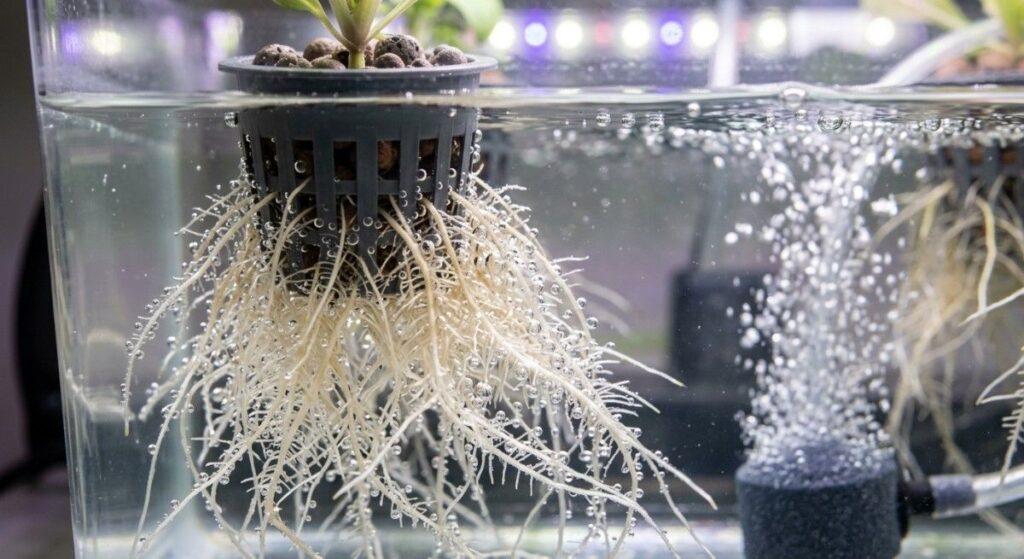
If water contains very little oxygen, plant roots cannot breathe properly. This reduces their ability to absorb nutrients and water, causing plants to grow slowly or appear weak.
Over time, oxygen-starved roots may become brown, slimy, or unhealthy.
Nutrient Uptake Becomes Inefficient
Roots need oxygen to actively absorb minerals from the nutrient solution. Without it, nutrients remain in the water but cannot be properly utilized by the plant.
This can lead to nutrient deficiencies even when the nutrient solution itself is perfectly balanced.
Harmful Microorganisms Thrive
Low oxygen environments encourage the growth of harmful bacteria and fungi. These pathogens can attack plant roots and lead to diseases such as root rot.
Adding air stones improves water oxygen levels and makes the environment much less favorable for these harmful organisms.
Benefits of Using Air Stones in Hydroponics
Air stones might look like small, simple devices, but they play a major role in keeping a hydroponic system healthy and productive.
Improved Root Oxygenation
The primary benefit of using an air stone is increasing the oxygen available to plant roots. When the air pump pushes oxygen through the stone, it releases a continuous stream of bubbles into the nutrient solution.
These bubbles help dissolve oxygen into the water, which roots can then absorb. Well-oxygenated roots grow stronger, whiter, and healthier compared to roots growing in stagnant water.
Healthy roots also develop more branching structures, which allows them to absorb even more nutrients from the water.
Faster Plant Growth
When roots receive enough oxygen, they can perform respiration more efficiently. This means plants can convert nutrients into energy more effectively.
As a result, hydroponic plants often grow faster and larger when air stones are used properly. Many growers notice improved leaf development, stronger stems, and quicker harvest cycles.
This benefit is particularly noticeable in fast-growing crops like lettuce, basil, spinach, and other leafy greens.
Reduced Risk of Root Rot
Root rot is one of the most common problems in hydroponic systems. It usually occurs when roots sit in poorly oxygenated water for long periods.
Air stones help prevent this issue by constantly moving and oxygenating the water. This movement discourages harmful microbes from settling and growing around plant roots.
As a result, the root zone remains healthier and less prone to disease.
Better Nutrient Circulation
Another helpful benefit of air stones is that the bubbles create gentle movement inside the nutrient reservoir.
This movement helps distribute nutrients evenly throughout the water. Without circulation, nutrients may settle or concentrate in certain areas.
By keeping the solution mixed and oxygenated, plants can access nutrients more consistently.
Temperature Balance in the Reservoir
Although air stones do not actively cool water, the movement they create helps distribute heat more evenly throughout the reservoir.
In stagnant water, certain areas may become warmer than others. Moving water prevents these temperature pockets and creates a more stable root environment.
Types of Air Stones Used in Hydroponics
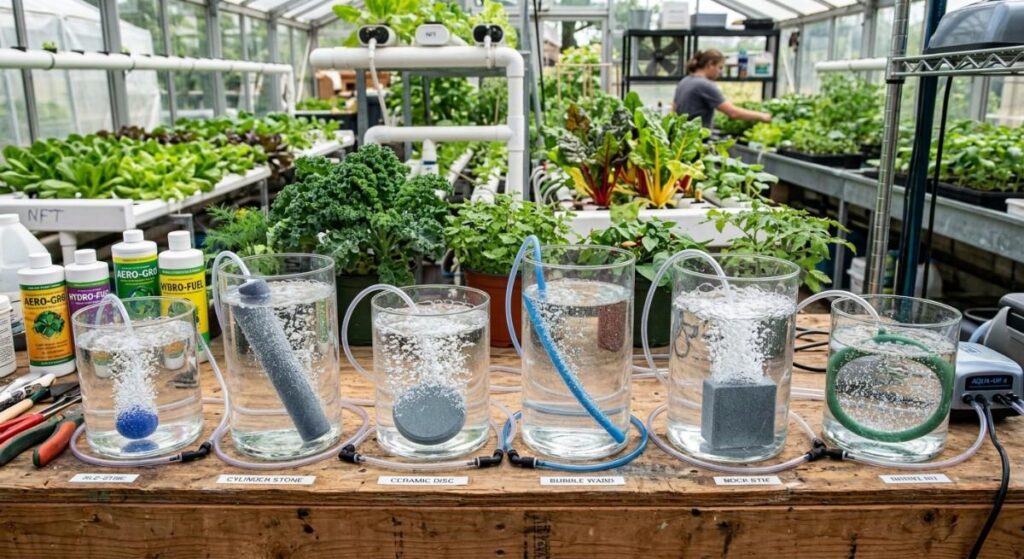
There are several types of air stones available, and each one has slightly different characteristics.
Ceramic Air Stones
Ceramic air stones are extremely popular among hydroponic growers because they produce very fine bubbles.
The ceramic material contains tiny pores that break airflow into small bubbles, which increases oxygen transfer in the water.
These stones are usually durable and long-lasting, making them a reliable choice for many hydroponic systems.
Mineral Air Stones
Mineral air stones are typically made from compressed stone or mineral materials.
They are often more affordable than ceramic stones and are widely available in aquarium stores.
However, they tend to produce slightly larger bubbles and may wear out faster. Because of this, some growers replace them more frequently.
Flexible Air Diffusers
Flexible air diffusers are long strips or tubes that release air across a wider area.
These are particularly useful in large hydroponic reservoirs because they distribute bubbles evenly throughout the system rather than concentrating them in one spot.
Disc Air Stones
Disc air stones are flat, circular stones that sit securely on the bottom of the reservoir.
Their design helps spread bubbles across a wider surface area, making them effective for larger containers or buckets used in Deep Water Culture systems.
Hydroponic Systems That Benefit Most from Air Stones
While air stones can benefit almost any hydroponic setup, some systems rely on them more heavily than others.
Deep Water Culture (DWC)
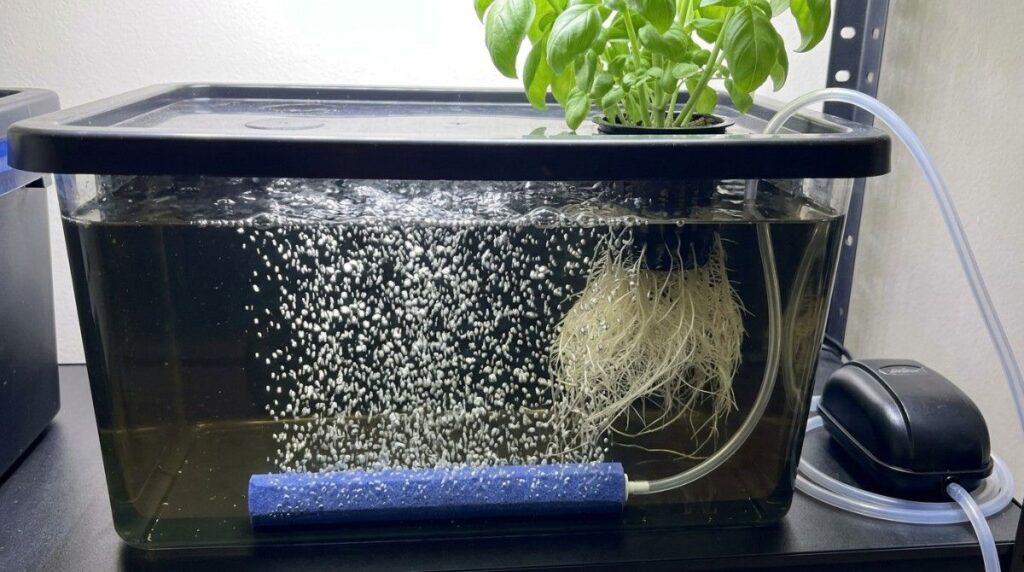
Deep Water Culture systems are one of the most common hydroponic setups for beginners. In this system, plant roots hang directly into a reservoir filled with nutrient solution.
Because the roots remain submerged most of the time, they rely heavily on oxygen dissolved in the water.
Air stones are essential in DWC systems because they continuously supply oxygen to the root zone, preventing suffocation and encouraging strong root development.
Recirculating Deep Water Culture (RDWC)
RDWC systems connect several buckets to a central reservoir. Water flows between the buckets, allowing multiple plants to share the same nutrient solution.
Air stones are usually placed in each bucket to ensure every plant receives enough oxygen.
This setup helps maintain consistent oxygen levels throughout the entire system.
Kratky Method (Optional Enhancement)
The Kratky method is a passive hydroponic system that does not normally use air pumps or air stones.
However, some growers add air stones to their Kratky systems to increase oxygen levels and accelerate plant growth. While not required, it can improve performance in certain situations.
Nutrient Reservoirs for Other Systems
Even hydroponic systems like drip irrigation or ebb and flow can benefit from adding air stones to their reservoirs.
Aerating the reservoir keeps the nutrient solution fresh and prevents stagnation, which ultimately supports healthier plant growth.
How to Choose the Best Air Stone for Hydroponics
Selecting the right air stone depends on a few practical factors related to your system.
Reservoir Size
The size of your nutrient reservoir determines how much aeration you need.
Small reservoirs may only require one air stone, while larger systems may need multiple stones to distribute oxygen evenly.
For example, a small container used for a single plant might work perfectly with a compact air stone, while a large multi-plant reservoir may require several diffusers.
Bubble Size
Smaller bubbles are generally better because they remain suspended in water longer. This gives oxygen more time to dissolve into the nutrient solution.
Fine bubbles also increase the total surface area where oxygen can transfer into the water.
High-quality air stones are designed to create these smaller bubbles.
Air Pump Strength
Air stones must be paired with an air pump that is strong enough to push air through the porous material.
If the pump is too weak, the airflow may be restricted and produce fewer bubbles.
Choosing a compatible pump ensures the air stone works efficiently.
Durability and Material Quality
Higher-quality air stones tend to last longer and resist clogging.
Cheaper stones may degrade faster or require frequent cleaning. Investing in durable stones can reduce maintenance over time.
How to Set Up Air Stones in a Hydroponic System
Setting up an air stone is simple and beginner-friendly.
Step 1: Connect the Airline Tubing
Attach one end of the airline tubing to the outlet of the air pump. This connection allows air to flow from the pump toward the reservoir.
Step 2: Install a Check Valve
A check valve is a small but important safety device. It prevents water from flowing backward into the air pump if the power suddenly shuts off.
This simple addition protects your equipment from damage.
Step 3: Attach the Air Stone
Connect the other end of the airline tubing to the air stone.
Make sure the connection is snug so air cannot escape before reaching the stone.
Step 4: Place the Air Stone at the Bottom of the Reservoir
Air stones work best when placed at the bottom of the container. This positioning allows bubbles to travel a longer distance through the water.
The longer the bubbles travel, the more oxygen dissolves into the nutrient solution.
Step 5: Turn on the Air Pump
Once everything is connected, turn on the air pump. You should immediately see a steady stream of bubbles rising from the air stone.
This indicates that the system is properly oxygenating your hydroponic reservoir.
Maintenance Tips for Hydroponic Air Stones
Like any equipment used in hydroponics, air stones need occasional maintenance to keep them working efficiently.
Clean the Air Stone Regularly
Over time, mineral deposits, algae, and nutrient residue can clog the pores of the air stone.
Cleaning the stone every few weeks helps maintain strong bubble output.
Many growers soak their air stones in diluted hydrogen peroxide or warm water to dissolve buildup.
Replace Worn-Out Stones
Even with proper cleaning, air stones eventually wear out.
If you notice fewer bubbles or uneven airflow, it may be time to replace the stone.
Most hydroponic air stones last several months before needing replacement.
Keep the Reservoir Clean
Debris inside the reservoir can clog air stones more quickly.
Maintaining a clean hydroponic system helps extend the lifespan of your aeration equipment.
Best Practices for Using Air Stones in Hydroponics
Experienced hydroponic growers often follow several simple practices to maximize the benefits of air stones.
Use Multiple Stones in Large Systems
Large reservoirs may develop areas with lower oxygen levels if only one air stone is used.
Adding multiple stones helps distribute bubbles more evenly across the system, ensuring all plant roots receive adequate oxygen.
Keep Air Pumps Above the Water Level
Placing the pump slightly above the reservoir helps prevent accidental backflow in case of power failure.
While check valves help, positioning the pump higher adds another layer of protection.
Monitor Water Temperature
Water temperature affects how much oxygen the water can hold.
Cooler water generally holds more oxygen than warm water. Keeping your hydroponic reservoir in a moderate temperature range helps maintain healthy oxygen levels for plant roots.
Conclusion: Small Tool, Huge Impact
Air stones may seem like a minor piece of equipment, but they play a major role in hydroponic success.
By constantly supplying oxygen to the nutrient solution, they help plant roots breathe, absorb nutrients efficiently, and stay protected from disease.
Healthy roots lead to healthier plants, faster growth, and better harvests.
Whether you are growing herbs in a small indoor system or managing a larger hydroponic garden, adding proper aeration can dramatically improve your results.
If you want to give your hydroponic plants the best possible environment, installing a reliable air stone system is one of the simplest and most effective upgrades you can make.
FAQs
What are air stones used for in hydroponics?
Air stones in hydroponics are used to increase dissolved oxygen in the nutrient solution. They connect to an air pump and release thousands of small bubbles into the water, allowing oxygen to mix into the nutrient reservoir.
This oxygen-rich environment helps plant roots breathe properly, absorb nutrients more efficiently, and grow stronger. As a result, hydroponic plants tend to grow faster and develop healthier root systems when air stones are used.
Do hydroponic systems really need air stones?
Not every hydroponic system strictly requires air stones, but many systems benefit greatly from them.
For example, systems like Deep Water Culture (DWC) rely heavily on air stones because plant roots remain submerged in water. Without sufficient oxygen, roots can suffocate and become vulnerable to diseases like root rot.
Even in systems where roots are not constantly submerged, adding air stones to the nutrient reservoir can still improve water circulation and oxygen levels.
How many air stones should I use in a hydroponic reservoir?
The number of air stones you need depends mainly on the size of your reservoir and the number of plants in your system.
For small hydroponic setups with one or two plants, a single air stone may be sufficient. However, larger reservoirs often require multiple stones to ensure oxygen is distributed evenly throughout the nutrient solution.
Using multiple air stones prevents “dead zones” where oxygen levels might otherwise drop.
Can you have too much oxygen in hydroponics?
In most cases, it is extremely difficult to add too much oxygen to a hydroponic system. Higher dissolved oxygen levels generally support healthier root growth and better nutrient absorption.
Instead of causing harm, strong aeration typically improves plant health and system stability. However, extremely powerful pumps may create excessive splashing or noise, so choosing equipment that matches your system size is important.
What size air pump is best for hydroponic air stones?
The best air pump for hydroponics depends on the size of your reservoir and the number of air stones you plan to use.
A small reservoir may work well with a compact aquarium air pump, while larger systems often require more powerful pumps capable of supplying airflow to multiple stones simultaneously.
When selecting a pump, it’s important to ensure it produces enough airflow to maintain a steady stream of bubbles from each air stone.
Where should air stones be placed in a hydroponic system?
Air stones should typically be placed at the bottom of the nutrient reservoir.
Positioning them at the bottom allows bubbles to travel upward through the entire water column. As the bubbles rise, they transfer oxygen into the water, increasing dissolved oxygen levels throughout the reservoir.
This placement also helps circulate nutrients more evenly within the solution.
How long should air stones run in hydroponics?
Air stones are usually run continuously, 24 hours a day in most hydroponic systems.
Unlike lights, aeration should not be turned off at night because plant roots still require oxygen even when photosynthesis slows down. Continuous aeration ensures the nutrient solution remains well oxygenated at all times.
How often should hydroponic air stones be cleaned?
Hydroponic air stones should generally be cleaned every 2–4 weeks to maintain strong airflow.
Over time, mineral deposits, algae, and nutrient residue can clog the pores of the stone, reducing the number of bubbles it produces. Cleaning the stone with warm water or diluted hydrogen peroxide can help restore its performance.
Regular maintenance keeps the aeration system working efficiently.
How long do air stones last in hydroponics?
Most hydroponic air stones last between three to six months, depending on water quality and maintenance.
If the stone becomes heavily clogged or starts producing fewer bubbles even after cleaning, it may be time to replace it. Fortunately, air stones are inexpensive and easy to swap out when necessary.
Are aquarium air stones safe for hydroponics?
Yes, standard aquarium air stones are widely used in hydroponic gardening. They are affordable, easy to find, and designed specifically for oxygenating water.
Many hydroponic growers rely on aquarium air stones because they work effectively in nutrient reservoirs and are compatible with most air pumps.
Can air stones prevent root rot in hydroponics?
Air stones can significantly reduce the risk of root rot by increasing oxygen levels in the nutrient solution.
Root rot often develops in stagnant, low-oxygen environments where harmful bacteria and fungi thrive. By keeping the water well oxygenated and gently circulating, air stones help create conditions that are less favorable for these pathogens.
Healthy oxygen levels lead to healthier roots and stronger plants overall.
Do air stones help plants grow faster in hydroponics?
Yes, properly aerated hydroponic systems often produce faster plant growth and higher yields.
When roots receive enough oxygen, they can absorb nutrients more efficiently and convert them into energy for plant growth. This leads to stronger root systems, larger leaves, and quicker harvest cycles for many crops.