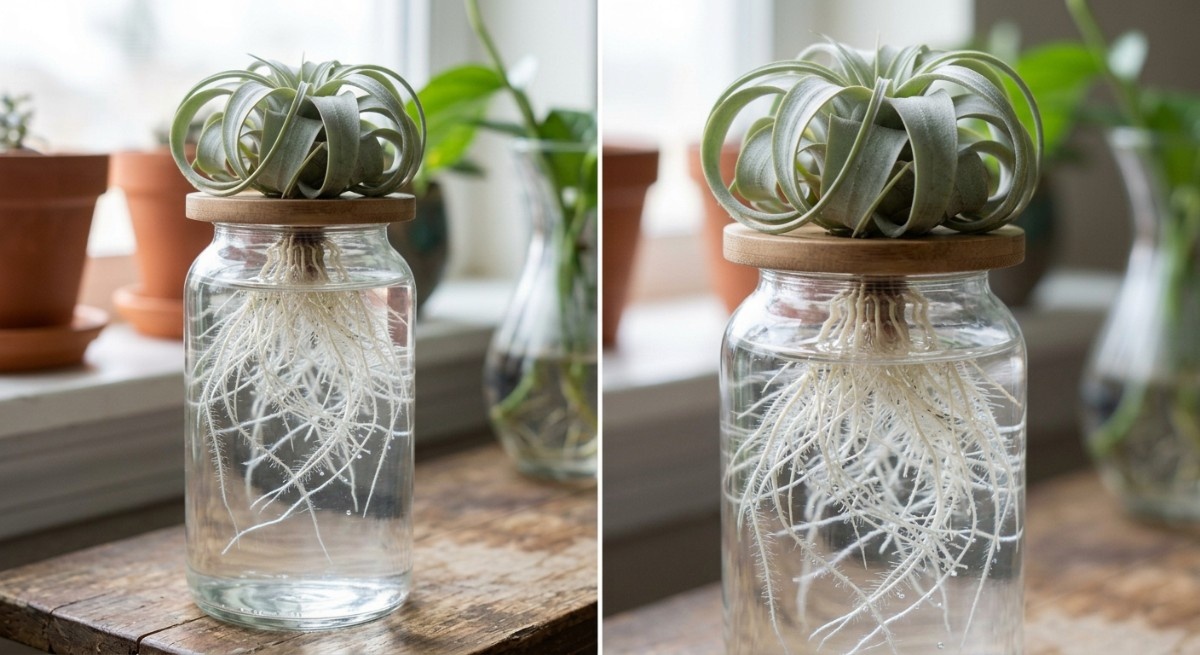
Succulents are among the most popular houseplants in the world. Their unique shapes, vibrant colors, and low maintenance nature make them perfect for both beginners and experienced plant lovers. Traditionally, succulents grow in well-draining soil that prevents excess moisture from damaging their roots. However, a growing trend in modern gardening is challenging that tradition: hydroponic succulents.
Many plant enthusiasts wonder whether succulents can survive in water. After all, succulents are famous for tolerating drought, not constant moisture. Surprisingly, when managed correctly, succulents can thrive in hydroponic systems where their roots grow in water instead of soil.
This guide explores everything you need to know about hydroponic succulents, including how they work, which varieties perform best, how to set up a system, and common mistakes to avoid. Whether you are a hydroponic gardening enthusiast or simply curious about experimenting with new plant-growing techniques, this article will provide a complete roadmap.
By the end of this guide, you will understand how to successfully grow succulents hydroponically and enjoy healthier plants with cleaner, more controlled growing conditions.
Understanding Hydroponic Succulents
What Are Hydroponic Succulents
Hydroponic succulents are succulent plants grown without soil. Instead of relying on soil as a medium, their roots absorb nutrients from a water-based solution that contains essential minerals.
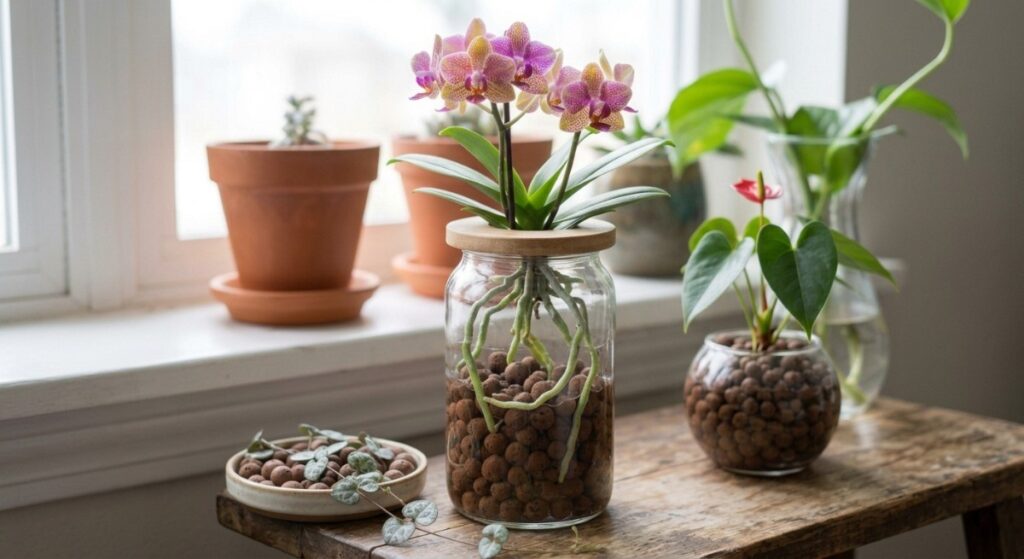
In hydroponic systems, plants are typically supported by inert growing mediums such as:
LECA (lightweight expanded clay aggregate)
Perlite
Rockwool
Coco coir
Gravel or pebbles
These mediums hold the plant in place while allowing water and nutrients to circulate freely around the roots.
Why Grow Succulents Hydroponically
Hydroponic gardening offers several advantages compared to traditional soil cultivation.
Cleaner indoor gardening
Without soil, there is less mess, fewer pests, and reduced chances of soil-borne diseases.
Better control over nutrients
Hydroponic growers can control exactly what nutrients plants receive and when.
Improved root oxygenation
When properly designed, hydroponic systems provide excellent oxygen flow to the roots.
Faster growth in some cases
Certain succulents adapt quickly to hydroponics and may grow faster due to consistent nutrient access.
Modern aesthetic appeal
Glass containers and minimalistic hydroponic setups create beautiful indoor decor.
Can Succulents Really Grow in Water
Understanding Succulent Root Behavior
Succulents naturally store water in their leaves and stems. Because of this adaptation, they are highly sensitive to excessive moisture in soil. In soil gardening, too much water can suffocate roots and cause rot.
Hydroponics, however, is different from overwatering in soil.
In hydroponic systems:
Roots receive oxygen through water circulation or air gaps.
Nutrient levels are carefully controlled.
The growing medium does not trap excess moisture like soil.
When these conditions are balanced, succulents can develop water-adapted roots that function well in hydroponic environments.
Soil Roots vs Water Roots
Plants often develop two different root types depending on their environment.
Soil roots
Thicker and adapted to extracting nutrients from soil particles.
Water roots
Finer, lighter colored roots that absorb nutrients directly from water.
When transitioning succulents to hydroponics, the plant gradually replaces soil roots with water roots.
Best Succulents for Hydroponic Growing
Not all succulents adapt equally well to hydroponics. Some species adjust quickly, while others prefer traditional soil environments.
Here are some succulents known to perform well in hydroponic setups.
Echeveria
Echeveria is one of the most beginner-friendly hydroponic succulents. Its rosette shape and moderate growth rate make it ideal for decorative hydroponic displays.
Haworthia
Haworthia species are small, resilient plants that adapt easily to controlled hydroponic conditions.
Jade Plant
Jade plants are surprisingly adaptable and can grow successfully in semi-hydroponic systems.
Aloe Vera
Aloe vera can grow hydroponically if given proper aeration and nutrient management.
String of Pearls
This trailing succulent performs well in hydroponic containers when roots receive good airflow.
Hydroponic Systems Suitable for Succulents
Succulents typically perform best in simple hydroponic systems rather than complex high-water systems.
Semi Hydroponics
Semi hydroponics is the most common method for growing succulents in water.
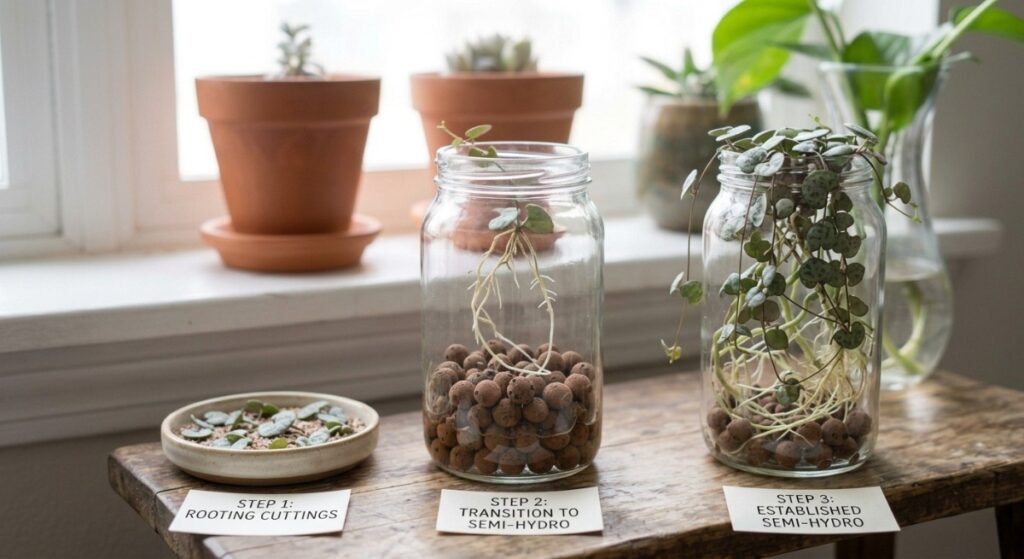
Plants are placed in LECA clay balls, which hold moisture while allowing oxygen to reach the roots. A small nutrient reservoir at the bottom of the container provides water through capillary action.
Benefits include:
Reduced risk of root rot
Excellent root aeration
Low maintenance
Ideal for beginners
Kratky Method
The Kratky method is a passive hydroponic system that requires no pumps or electricity.
Plants sit in a container with a nutrient solution. As water levels drop, an air gap forms that allows roots to access oxygen.
This method works well for decorative hydroponic succulent containers.
Wick System
In wick systems, a cotton or nylon wick draws nutrient solution from a reservoir to the plant roots.
This system delivers small amounts of moisture slowly, which is beneficial for succulents that prefer minimal watering.
Step by Step Guide to Growing Hydroponic Succulents
Step 1: Choose a Healthy Succulent
Start with a healthy, pest-free succulent plant. Avoid plants that already show signs of rot or disease.
Plants with established root systems transition more easily to hydroponics.
Step 2: Remove Soil From Roots
Gently remove the plant from its pot and wash off all soil from the roots.
Use lukewarm water and be careful not to damage delicate roots.
This step is crucial because leftover soil can introduce bacteria into the hydroponic system.
Step 3: Trim Damaged Roots
After cleaning, inspect the root system.
Remove:
Dead roots
Rotten sections
Damaged tips
Healthy roots appear firm and white.
Step 4: Let Roots Dry
Allow the roots to dry for several hours before placing them in water. This reduces the risk of rot during the transition.
Step 5: Place the Plant in Growing Medium
Insert the plant into your hydroponic container using a medium such as LECA or gravel.
Make sure the base of the plant remains above the water level.
Step 6: Add Nutrient Solution
Fill the container with a diluted hydroponic nutrient solution.
Keep the water level slightly below the crown of the plant to prevent rot.
Nutrients for Hydroponic Succulents
Plants require essential nutrients for healthy growth. In hydroponic systems, these nutrients must be supplied through the water.
Essential Macronutrients
Succulents require the same primary nutrients as other plants:
Nitrogen
Promotes leaf growth and chlorophyll production.
Phosphorus
Supports root development and flowering.
Potassium
Improves overall plant health and disease resistance.
Micronutrients
Important trace elements include:
Calcium
Magnesium
Iron
Zinc
Manganese
Balanced hydroponic nutrient solutions already contain these elements.
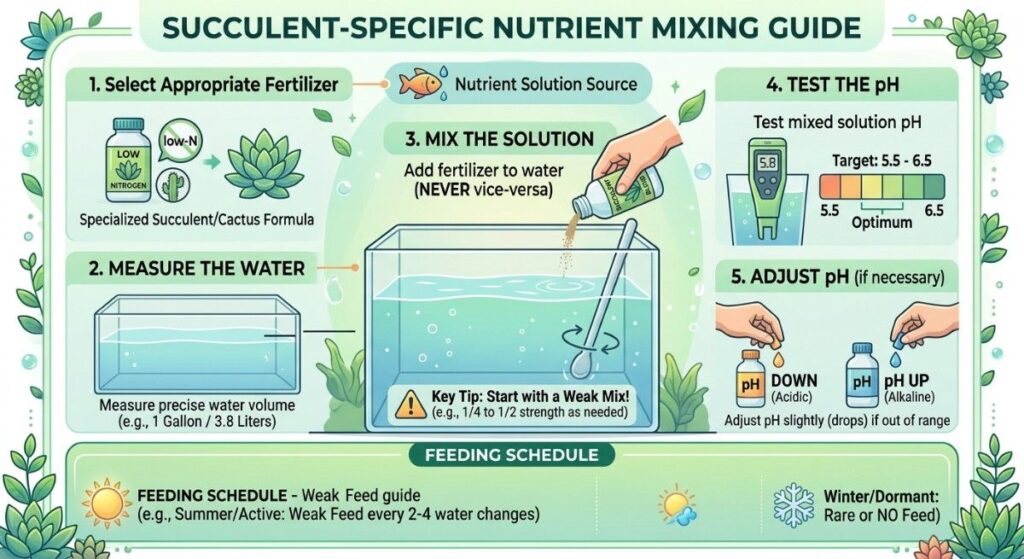
Nutrient Strength
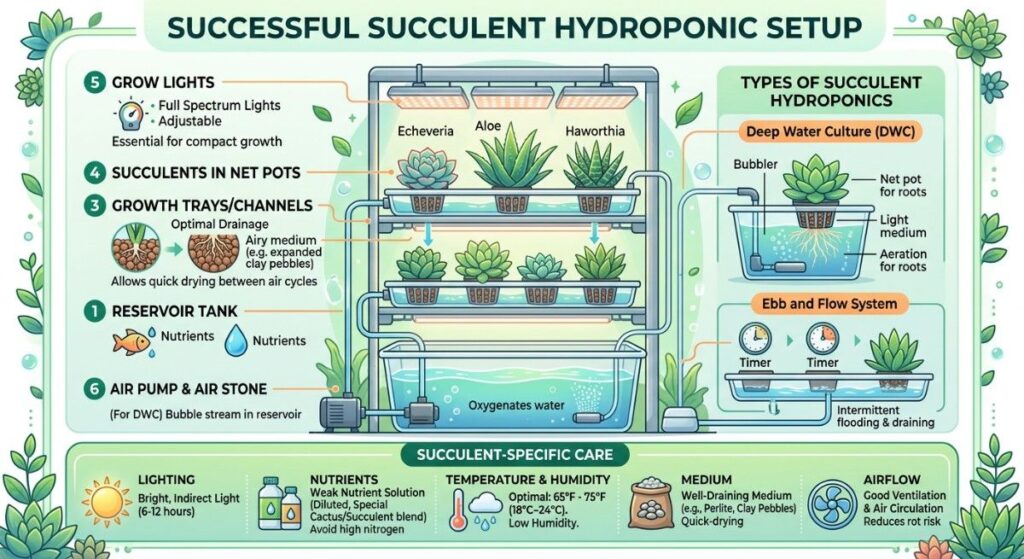
Succulents require weaker nutrient concentrations compared to leafy vegetables.
Use nutrient solutions at about 25 to 50 percent of the standard hydroponic strength.
Lighting Requirements
Succulents need plenty of light to maintain compact growth and vibrant colors.
Natural Light
A south-facing window usually provides sufficient sunlight for hydroponic succulents.
Ideal exposure includes:
4 to 6 hours of direct sunlight
Bright indirect light for the rest of the day
Artificial Grow Lights
Indoor gardeners often use LED grow lights.
Position lights about 12 to 18 inches above the plants and provide around 12 to 14 hours of light daily.
Preventing Root Rot in Hydroponic Succulents
Root rot is the most common problem when growing succulents hydroponically.
Maintain Proper Water Levels
Avoid submerging the plant crown or stem in water.
Only the roots should contact the nutrient solution.
Ensure Oxygen Availability
Roots must receive oxygen. Using porous growing mediums like LECA helps maintain airflow.
Replace Nutrient Solution Regularly
Change the water every two to three weeks to prevent bacteria buildup.
Monitor Plant Health
Watch for early warning signs such as:
Yellow leaves
Mushy stems
Foul odor from the container
Common Mistakes Beginners Make
Overfeeding Nutrients
Too many nutrients can damage succulent roots.
Always start with diluted solutions.
Submerging the Entire Plant
Only roots should touch water.
Stems sitting in water will rot quickly.
Using Dirty Containers
Hydroponic containers must remain clean to prevent pathogens.
Ignoring Light Requirements
Succulents grown without adequate light will stretch and lose their compact shape.
Creative Display Ideas for Hydroponic Succulents
Hydroponic setups can double as stylish home decor.
Glass Jar Displays
Clear jars allow you to see root development and create a modern botanical look.
Wall Mounted Hydroponic Frames
Vertical hydroponic displays turn succulents into living wall art.
Minimalist Desktop Gardens
Small hydroponic containers make attractive additions to office desks or study tables.
The Future of Hydroponic Succulent Gardening
Hydroponics is rapidly transforming modern indoor gardening. As technology improves and urban living spaces become smaller, soil-free growing methods are becoming increasingly attractive.
Hydroponic succulents combine minimal maintenance with modern design aesthetics, making them perfect for apartments, offices, and indoor gardens.
With the right setup, they offer a sustainable and visually striking way to grow plants in controlled environments.
Conclusion
Hydroponic succulents prove that traditional gardening rules are not always fixed. While succulents have long been associated with dry soil and minimal watering, many varieties can adapt surprisingly well to hydroponic systems.
By understanding root adaptation, choosing the right species, and maintaining proper nutrient and oxygen levels, gardeners can successfully grow succulents in water. The result is a cleaner, more controlled growing environment that also doubles as a beautiful decorative display.
Whether you are an experienced hydroponic gardener or a curious beginner looking for a creative plant project, hydroponic succulents offer a fascinating opportunity to experiment with soil-free gardening.
Start small, monitor your plants closely, and enjoy the process of watching your succulents thrive in a completely new environment.
If you found this guide helpful, consider sharing it with fellow plant lovers or leaving a comment with your own hydroponic succulent experiences.
Frequently Asked Questions (FAQs)
1. Can succulents really grow in hydroponics without soil?
Yes, succulents can grow successfully in hydroponic systems when their roots receive proper oxygen, nutrients, and controlled water levels. In hydroponics, plants develop specialized water roots that absorb nutrients directly from a nutrient solution instead of soil. However, the plant crown must stay above water to prevent rot.
2. Which succulents grow best in hydroponic systems?
Some succulent species adapt better to hydroponic environments than others. Popular choices include Echeveria, Haworthia, Aloe Vera, Jade Plant, and String of Pearls. These varieties are resilient and can transition from soil to hydroponic growing conditions more easily.
3. What is the best hydroponic method for growing succulents?
Semi hydroponics is considered the best method for growing succulents. This system uses LECA clay balls as a growing medium and a small nutrient reservoir at the bottom of the container. It provides excellent root aeration while delivering moisture gradually, which suits succulents’ low-water preferences.
4. How often should hydroponic succulents receive nutrients?
Hydroponic succulents should receive diluted nutrient solutions, typically at 25–50 percent of the standard hydroponic concentration. The nutrient solution should be replaced every two to three weeks to prevent mineral buildup and maintain healthy root conditions.
5. How do you prevent root rot in hydroponic succulents?
To prevent root rot, ensure that only the roots contact the nutrient solution while the plant stem remains above water. Using well-aerated growing mediums like LECA, maintaining proper water levels, and regularly changing the nutrient solution are essential steps for keeping hydroponic succulents healthy.